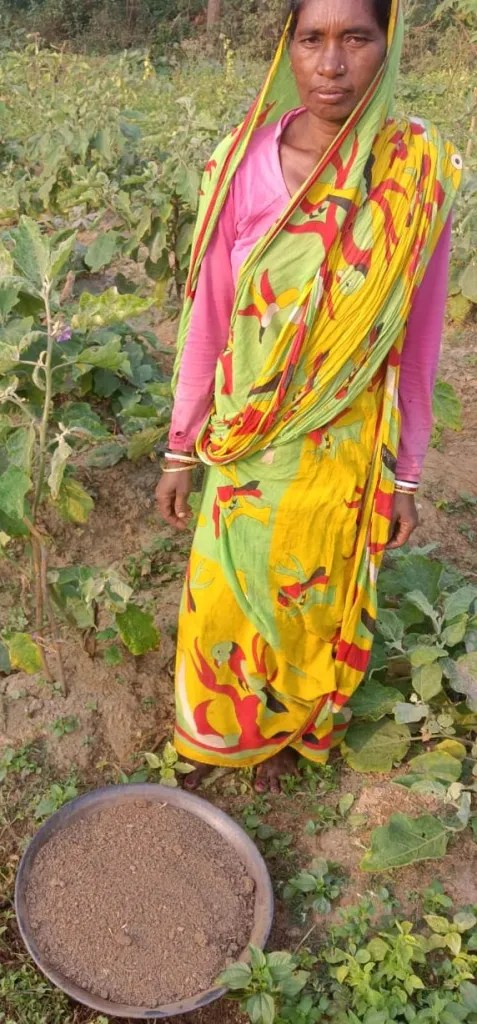
Environmental degradation refers to the deterioration of the natural environment through the depletion of resources such as air, water, and soil, the destruction of ecosystems, and the loss of biodiversity. It encompasses any environmental change or disturbance that negatively affects the health and sustainability of our planet.
Young people are particularly vulnerable to environmental degradation because of their developing bodies, greater susceptibility to certain environmental toxins, and dependence on stable social and environmental conditions. Furthermore, climate-related disasters increasingly threaten their education, mental well-being, livelihoods, and future opportunities.
Impact on Physical and Mental Health
Environmental degradation has serious consequences for the health and development of young people. Children are especially vulnerable to environmental hazards, including air pollution, unsafe drinking water, inadequate sanitation, hazardous chemicals, improper waste disposal, climate change, and electronic waste. These conditions contribute significantly to childhood illnesses, disabilities, and premature deaths, particularly in developing countries.
According to the World Health Organization (WHO), approximately 1.7 million deaths among children under five in 2012 were attributable to environmental factors. These included 570,000 deaths from respiratory infections, 361,000 from diarrhoeal diseases, 270,000 from neonatal conditions, 200,000 from malaria, and another 200,000 from unintentional injuries.
Beyond physical health, climate change also affects the mental well-being of young people. Exposure to extreme weather events, environmental destruction, and alarming news about climate change can intensify feelings of anxiety, helplessness, and uncertainty. This phenomenon, commonly known as climate anxiety, involves emotional, psychological, and physical distress associated with environmental and climatic threats. When these feelings begin to interfere with daily activities, academic performance, or personal relationships, appropriate psychological support becomes important.
Disruption of Education
Climate change increasingly disrupts access to education worldwide. According to UNICEF’s 2026 report, Learning Interrupted: Global Snapshot of Climate-Related School Disruptions in 2025, at least 171 million students experienced climate-related educational disruptions across 106 countries and territories in 2025.
Approximately 66% of reported disruption cases involved class suspensions, while other disruptions included damaged school infrastructure, schools being converted into emergency shelters, and interruptions to regular classroom learning. Extreme heat, severe flooding, tropical cyclones, storms, droughts, and worsening air pollution are among the major environmental hazards affecting educational institutions.
These disruptions result in significant learning losses, particularly among students from disadvantaged communities. Extended school closures and damaged educational facilities reduce access to quality education, widen existing inequalities, and threaten the long-term academic development of young people.
Economic Challenges and Employment Opportunities
Environmental degradation also poses significant challenges to economic growth and youth employment. Climate-related disasters threaten traditional livelihoods, particularly in vulnerable sectors such as agriculture. Rising temperatures and heat stress reduce labour productivity and working hours, while floods and droughts damage infrastructure, disrupt local economies, and eliminate employment opportunities.
However, the transition towards a low-carbon economy also presents new possibilities. The growing demand for sustainable production, renewable energy, and environmentally responsible practices is creating opportunities in emerging green industries. Nevertheless, this transition requires targeted education, vocational training, and reskilling to prepare young people for changing labour market demands.
Disproportionate Impact on Vulnerable Youth
Although environmental degradation affects everyone, its consequences are particularly severe for young people from low-income and marginalised communities. Limited financial resources, inadequate healthcare, poor housing conditions, and restricted access to quality education make these groups less equipped to withstand or recover from environmental crises.
Consequently, environmental degradation can deepen existing social and economic inequalities, leaving vulnerable young people with fewer opportunities for a secure and sustainable future.
Role of Youth in Environmental Protection
Young people are not merely victims of environmental degradation; they are also important contributors to environmental protection. Through social media, educational initiatives, community programmes, and environmental campaigns, they can raise awareness and encourage sustainable practices.
Simple actions such as planting trees, conserving water, reducing waste, reusing household materials, and recycling can collectively contribute to environmental preservation. Educational institutions also have an important role in promoting environmental awareness and encouraging students to participate in sustainability initiatives.
Conclusion
Environmental degradation is a growing global challenge that threatens the physical health, mental well-being, education, and economic prospects of today’s youth. Pollution, climate change, and the depletion of natural resources endanger not only present generations but also those yet to come.
Addressing this challenge requires collective action from governments, educational institutions, communities, and young people. By strengthening environmental education, promoting sustainable practices, and ensuring inclusive environmental policies, society can reduce ecological damage and create a healthier, safer, and more sustainable future for generations to come.
References
World Health Organization (WHO). (2017). The Cost of a Polluted Environment: 1.7 Million Child Deaths a Year, Says WHO.
World Health Organization (WHO). (2017). Don’t Pollute My Future! The Impact of the Environment on Children’s Health.
UNICEF. (2026). Learning Interrupted: Global Snapshot of Climate-Related School Disruptions in 2025.


Leave a Reply