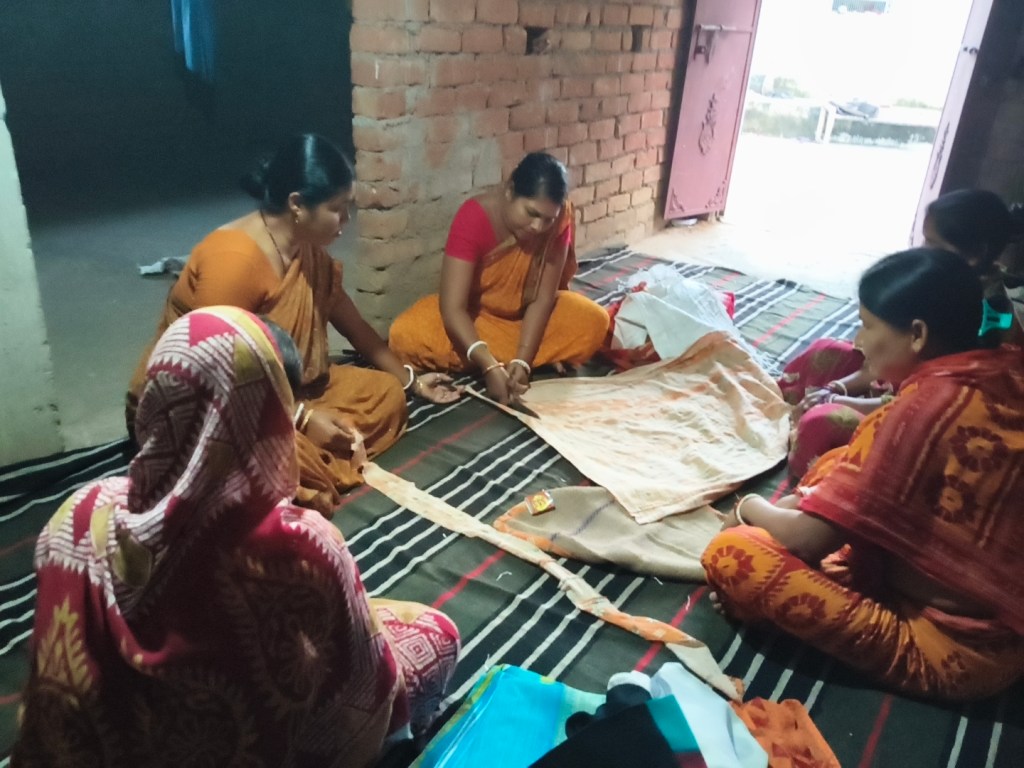
Waste management refers to the systematic collection, transportation, processing, recycling, and disposal of waste to minimise its impact on human health and the environment. Increasing waste generation has become a global concern, threatening ecosystems, public health, and sustainable development.
According to the United Nations Environment Programme (UNEP), approximately 2.1 billion tonnes of municipal solid waste are generated worldwide every year. This comprises food and green waste (47%), paper (16%), plastic (11%), glass (4%), metal (3%), and other materials, including textiles, wood, rubber, leather, and personal hygiene products (19%). Industrial and commercial activities generate additional waste, including heavy metals, chemicals, plastics, and paper. Construction and demolition activities produce concrete, steel, aluminium, plastic, and wood waste. The broader buildings and construction sector accounts for approximately 37% of global carbon dioxide emissions, including emissions from building operations and construction-material production.
Solid waste is broadly classified into three categories: biodegradable, non-biodegradable, and hazardous. Biodegradable waste includes vegetable scraps, food leftovers, and animal dung. Non-biodegradable waste comprises recyclable materials such as paper, plastic, metal, and glass, alongside non-recyclable materials such as thermocol, multilayer packaging, rubber, and sanitary products. Hazardous waste includes discarded batteries, CFL bulbs, and other potentially harmful materials.
Improper waste disposal causes air, water, and soil pollution, spreads diseases, blocks drainage systems, and creates economic challenges. Addressing these issues requires active grassroots participation.
Understanding Grassroots Waste Management
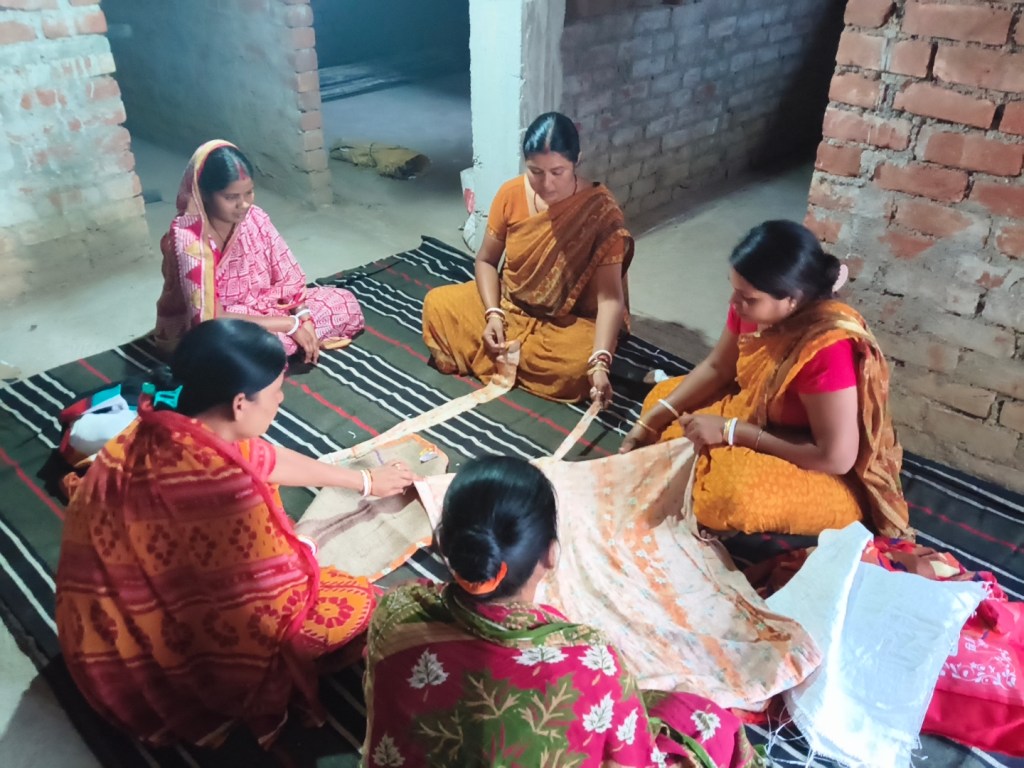
Grassroots waste management involves handling, segregating, collecting, and reducing waste at household, neighbourhood, and community levels. This decentralised approach encourages local participation rather than relying entirely on municipal systems.
Households can segregate waste and compost organic materials at the source, while schools promote
environmental awareness and civic responsibility. Neighbourhoods can organise collection systems,
support waste pickers, establish small-scale recycling facilities, and discourage single-use plastics. Municipal authorities contribute through door-to-door collection, source-segregation regulations, and decentralised composting initiatives.
Methods of Community Waste Management
Segregating wet and dry waste is one of the most effective practices. Mixing these materials contaminates recyclables such as paper and cardboard. Wet waste can be converted into compost, while dry waste can be directed towards recycling. Households should maintain separate bins for wet, dry, sanitary, and hazardous waste.
Recycling and reusing materials further reduce landfill waste. Composting kitchen and garden waste
produces nutrient-rich organic fertiliser, while repurposing glass jars, containers, and old textiles extends their usefulness. Keeping recyclable materials clean also supports local waste pickers.
Other preventive measures include avoiding waste burning, reducing plastic consumption, keeping drains clear, and disposing of hazardous materials safely. These practices help minimise pollution, prevent sanitation-related diseases, and reduce drainage blockages and waterlogging.
Social and Economic Benefits
Grassroots waste management creates employment opportunities for waste collectors, sanitation workers, and small-scale entrepreneurs. Composting provides affordable natural fertilisers for farmers and home gardeners. Community participation also strengthens cooperation, increases environmental awareness, and improves public health. Thus, waste can be transformed into valuable resources while supporting local livelihoods.
Challenges and the Way Forward
Despite its importance, grassroots waste management faces challenges such as inadequate infrastructure, limited public awareness, improper waste segregation, and insufficient community participation. Addressing these issues requires cooperation between households, educational institutions, local organisations, waste workers, and municipal authorities.
Ultimately, effective waste management begins with individual responsibility and collective action. Simple practices such as waste segregation, recycling, composting, and reducing unnecessary consumption can create meaningful change. Strengthening grassroots initiatives can help build cleaner, healthier, and more sustainable communities.
References
United Nations Environment Programme (UNEP), Zero Waste 101
UNEP and Global Alliance for Buildings and Construction, Global Status Report for Buildings and
Construction


Leave a Reply